
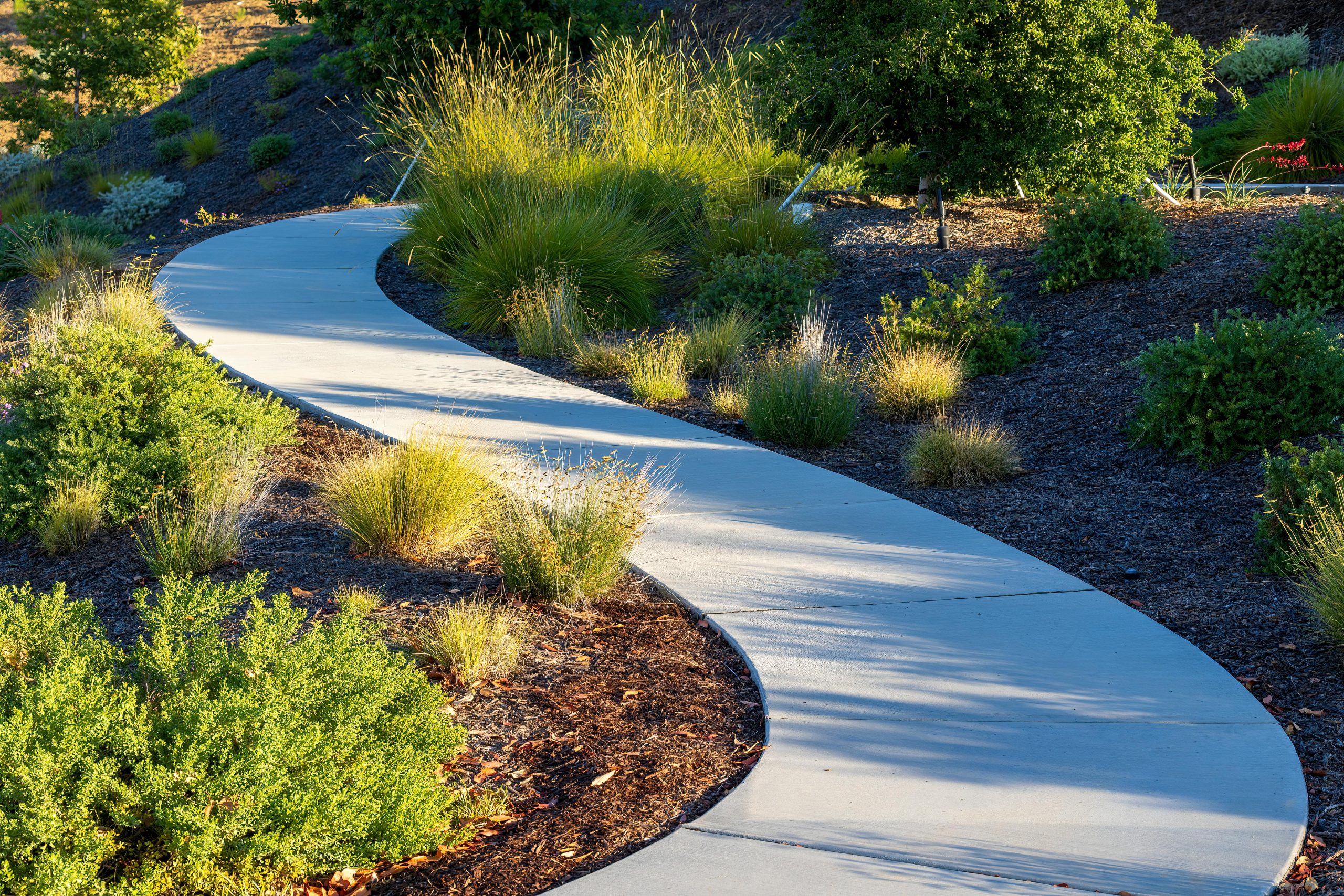
Most people think of a garden as something you look at. Colourful flowers, neat hedges, maybe a tree or two for shade. But a sensory garden works a little differently. It’s designed to be experienced, not only viewed. Sight matters, of course, but so do sounds, textures, scents, and even tastes.
In many urban areas across Sydney, homeowners are beginning to rethink how their outdoor spaces function. Backyards are no longer only lawns with a barbecue tucked in the corner. People want something more immersive. A place to unwind after work, somewhere children can explore, or a quiet space where the noise of the city fades a little.
This article covers how a thoughtfully designed sensory garden can transform an ordinary backyard into an engaging and relaxing outdoor environment that stimulates sight, sound, touch, smell, and taste.
You Might Also Like: Tips and Cost Guide for Landscape Construction in Sydney
Understanding the Idea Behind a Sensory Garden
A sensory garden is an outdoor space designed to stimulate the five human senses. Instead of focusing only on visual beauty, the layout and plant choices encourage interaction. Leaves may be soft to the touch, herbs release fragrance when brushed against, and gentle water sounds add another layer to the environment.
The concept did not originate in residential landscaping. Sensory gardens were first developed in therapeutic and educational environments in hospitals, rehabilitation centres, and schools. They helped people reconnect with nature in a simple, accessible way.
Over time, landscape designers realised that the same principles could easily be applied to private homes. The rustle of grasses, the scent of herbs in warm air, the cool feeling of stone underfoot. Small details, perhaps, but together they shape the experience.
Visual Interest: Designing the Garden to Please the Eye
Layered planting is the starting point. Combining trees, shrubs, and ground-level plants creates depth and movement across the landscape. A garden that changes slightly through the seasons tends to feel more alive than one that looks exactly the same all year.
Flowering plants that bloom at different times keep the garden from ever feeling dull. Some gardeners prefer bold colour contrasts, while others lean toward softer palettes.
Foliage texture also contributes more than many people realise. Broad leaves next to delicate grasses create subtle visual variation, and the garden becomes interesting even when flowers are not in bloom.
Focal points help anchor the design. This might be a sculptural feature, a carefully placed tree, or even a simple water element. At night, outdoor lighting can highlight these features and extend the garden’s usability into the evening hours.
Introducing Gentle Sounds into the Landscape
Water features are among the most effective additions. A small fountain or pond can produce a gentle, consistent sound that masks distant traffic or neighbourhood noise.
Plants can contribute to the soundscape as well. Ornamental grasses sway in the breeze, creating soft rustling sounds that change with the wind. Some homeowners also incorporate bamboo alternatives or tall grasses for a similar effect without the maintenance challenges that bamboo can pose.
Encouraging birds to visit the garden adds another layer of natural sound. Native plants, small water dishes, and sheltered branches can make a space more inviting for local birdlife.
Touch: Encouraging Interaction with Texture
Soft lawn areas provide a comfortable place for children to sit or play, while stone pathways offer a contrasting surface underfoot. Timber decking, smooth pebbles, and natural stone elements all add subtle tactile variation.
Some leaves are velvety, others firm and structured. When visitors brush past them, the difference is immediately noticeable.
Interactive features should also consider safety and accessibility. Smooth edges, stable pathways, and comfortable seating areas allow children and elderly residents to move through the garden with ease.
Fragrance: Plants That Bring the Garden to Life
Aromatic herbs such as lavender, rosemary, and mint are popular choices because they release fragrance when touched. Simply walking past them on a warm afternoon can trigger a pleasant burst of scent.
Flowering plants contribute their seasonal perfumes. Some bloom in spring, others in summer or early autumn, so planning the sequence of fragrance throughout the year adds another layer of sensory experience.
Positioning fragrant plants near seating areas, pathways, or entrances lets people enjoy them naturally, without having to search for them.
Taste: Adding Edible Elements to the Garden
Taste might seem unusual in landscape design, but edible plants fit naturally into a sensory garden.
Herb beds are the easiest place to start. Fresh herbs can be picked directly while cooking, and they contribute scent and flavour to the garden environment.
Fruit trees or small berry shrubs add seasonal variety. There is something satisfying about harvesting fruit from your backyard.
Vegetable patches can also blend into the design when thoughtfully arranged. Raised garden beds are a practical option because they improve accessibility and keep planting areas organised.
Conclusion
When a garden engages all five senses, it becomes more than a decorative space. It becomes an experience.
The colours change with the seasons, the breeze moves through textured plants, herbs release scent in the sun, and birds add their quiet soundtrack. Over time, these details shape how people use and remember the space.
For many homeowners, the result is not only a more attractive property but a place that genuinely supports relaxation and well-being. And sometimes that is what a busy urban home needs.
Designing a sensory garden takes experience and thoughtful planning. The team at Dr Garden can help turn your backyard into a relaxing outdoor space that engages all five senses, practical and easy to maintain. If you are considering a landscape transformation, speak with the professionals today.
Call or email Dr Garden on 1300-374-273 / [email protected] and start planning a garden your family will enjoy every day.